August 19, 2026
Furniture making is a craft built on patience, precision, and creativity. While many people see a finished table, chair, cabinet, or custom piece as a functional item, a skilled artisan sees an opportunity to transform raw materials into something meaningful. The work of a furniture maker combines technical knowledge with artistic vision, creating pieces that can become lasting parts of homes and businesses.
Unlike mass-produced furniture, handcrafted pieces often reflect the personality, experience, and attention to detail of the individual who created them. Every measurement, cut, joint, and finish contributes to the final result. Whether working with traditional woodworking methods or modern technology, furniture makers rely on a wide range of skills to produce pieces that are both beautiful and durable.
The demand for thoughtfully designed furniture continues to grow as more people seek quality pieces that stand apart from disposable options. According to IMARC Group, the U.S. furniture market reached $195.7 billion in 2025, with wood remaining the leading material category at approximately 39% of the market share. This continued interest in wood furniture highlights the lasting appreciation for craftsmanship and natural materials.
What Essential Tools Do Furniture Makers Use?
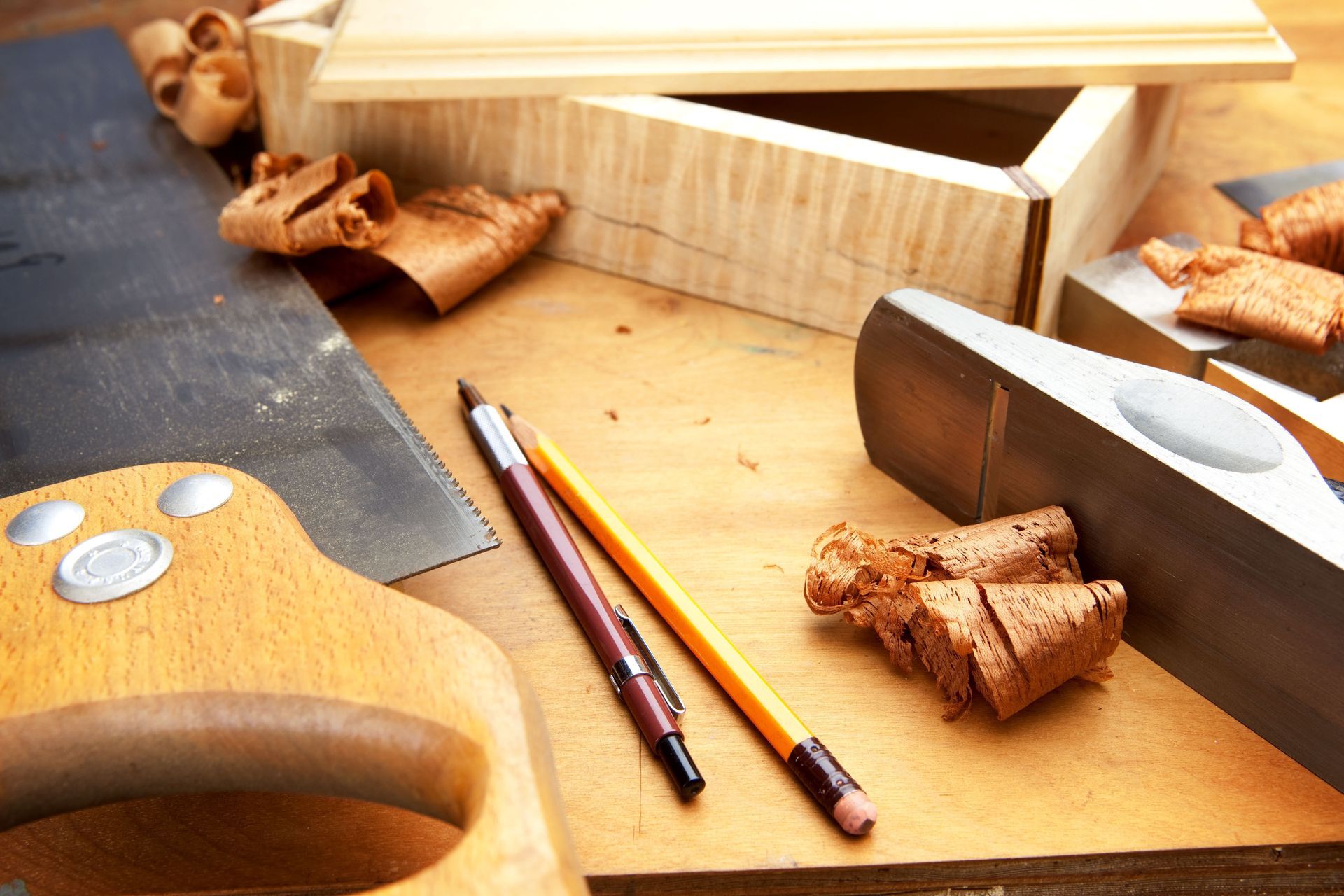
A talented furniture maker depends on a combination of hand tools, power equipment, and measuring instruments to bring ideas to life. While advanced machinery can improve efficiency, many craftsmen still rely on traditional tools that allow for greater control and precision.
Hand tools such as chisels, hand planes, saws, and marking gauges remain essential for detailed woodworking. These tools allow artisans to shape materials carefully, refine joints, and create unique features that would be difficult to achieve with automated processes alone. The ability to use these tools effectively requires years of practice and a deep understanding of wood behavior.
Power tools also play an important role in modern furniture production. Table saws, routers, sanders, and drills help furniture makers complete projects more efficiently while maintaining accuracy. Many professionals combine modern equipment with traditional techniques, using technology for preparation while relying on craftsmanship for finishing touches.
Beyond cutting and shaping tools, a furniture maker must also understand measurement and layout techniques. Even a small mistake in dimensions can affect how a piece fits together. Precision tools such as squares, calipers, and levels help ensure every component aligns properly, resulting in furniture that looks refined and functions correctly.
How Do Furniture Makers Select The Right Materials?
Choosing the right materials is one of the most important decisions a furniture maker makes. The type of wood, hardware, finishes, and other components all influence the appearance, strength, and lifespan of the final product.
Many craftsmen carefully evaluate different types of wood based on characteristics such as grain pattern, hardness, color, and stability. Hardwoods like oak, maple, walnut, and cherry are popular choices because they offer durability and distinctive appearances. Each species has unique qualities, allowing artisans to select materials that complement a specific design.
A furniture maker also considers how materials will respond to environmental conditions. Wood expands and contracts with changes in temperature and humidity, so understanding these natural movements is critical. Selecting properly dried and prepared lumber helps prevent issues such as cracking, warping, or structural weakness.
Beyond aesthetics and performance, material sourcing has become increasingly important. Many modern furniture makers look for responsibly harvested wood, reclaimed materials, and environmentally friendly finishes. These choices allow craftsmen to create attractive furniture while reducing environmental impact.
What Techniques Do Furniture Makers Use To Ensure Durability?
Creating furniture that lasts for generations requires more than attractive designs. A skilled furniture maker must understand construction techniques that provide strength and stability over time.
Joinery is one of the defining skills of traditional woodworking. Techniques such as dovetail joints, mortise-and-tenon connections, and finger joints allow pieces of wood to fit together securely without relying solely on screws or adhesives. These methods have been used for centuries because they create strong connections while adding visual character.
A furniture maker also pays close attention to structural balance. Tables need properly supported legs, chairs must distribute weight effectively, and cabinets require sturdy frames and reliable hardware. Good craftsmanship involves anticipating how furniture will be used and designing accordingly.
Finishing techniques also contribute to durability. Applying stains, oils, waxes, or protective coatings helps preserve wood while enhancing its natural beauty. A carefully applied finish protects surfaces from moisture, scratches, and everyday wear.
Many artisans also focus on repairability when designing furniture. Instead of creating disposable products, they build pieces that can be maintained, refinished, or repaired years later. This approach supports long-term value and allows customers to enjoy furniture for decades.
How Do Furniture Makers Achieve Unique And Personal Designs?
One of the most impressive skills a furniture maker develops is the ability to turn ideas into one-of-a-kind creations. Custom furniture allows clients to express their personal style while receiving a piece designed specifically for their needs.
The design process often begins with communication between the maker and the customer. A craftsman considers the intended space, desired functionality, preferred materials, and aesthetic goals before creating a concept. This collaborative process allows the final piece to feel personal rather than generic.
A furniture maker may incorporate unique design elements such as unusual wood grains, custom shapes, decorative inlays, or specialized storage solutions. These details can transform a standard item into a statement piece that reflects individual tastes.
Creativity also comes from combining traditional craftsmanship with modern design influences. Some artisans create minimalist furniture with clean lines, while others focus on rustic styles that emphasize natural imperfections. The ability to adapt techniques and develop new ideas separates skilled makers from ordinary manufacturers.
Technology has expanded creative possibilities as well. Computer-aided design software allows furniture makers to visualize concepts before construction begins. Some craftsmen also use CNC machines and digital fabrication methods to produce intricate details while maintaining the handcrafted quality customers value.
What Role Does Sustainability Play In Modern Furniture Making?
Sustainability has become an increasingly important part of the furniture industry. Many customers are looking for products created with responsible materials and environmentally conscious practices, encouraging artisans to rethink how they source and produce their work.
A sustainable furniture maker may prioritize locally sourced wood, reclaimed lumber, and renewable materials. Using reclaimed wood can give older materials a second life while adding character through natural aging, weathering, and unique markings.
Waste reduction is another important consideration. Skilled craftsmen often find creative uses for leftover materials, turning smaller pieces of wood into decorative accents, accessories, or smaller furniture items. This approach reduces waste while maximizing the value of each resource.
Finishing products also play a role in sustainable practices. Many artisans choose low-VOC finishes, natural oils, and environmentally friendly treatments that protect furniture without introducing unnecessary chemicals into homes.
Sustainable furniture making is not only about protecting the environment but also about creating products that are built to last. A well-made piece of furniture reduces the need for frequent replacements, helping customers invest in quality items rather than temporary solutions.
The skills of a
furniture maker represent a combination of craftsmanship, creativity, and technical knowledge. From selecting the perfect materials to mastering advanced construction techniques, these artisans transform simple resources into functional works of art.
The tools they use, the methods they apply, and the designs they create all contribute to furniture that offers lasting value. As interest in handcrafted and sustainable products continues to grow, furniture makers remain dedicated to preserving traditional skills while embracing new approaches.
Every carefully built piece tells a story of patience, creativity, and attention to detail. Whether creating a custom dining table, a handcrafted cabinet, or a unique statement piece, furniture makers continue to inspire admiration through their ability to turn ordinary materials into extraordinary creations. If you're looking for custom furniture, reach out to the team at Wood You of Anderson, reach out to us today!